Business Website Templates: Clean Sites That Turn Visitors Into Leads
Business website templates help you launch a professional site fast with a proven structure: hero → services → proof → process → FAQ → contact CTA. Use this page to choose the right template type (service business, agency, local business, consulting, SaaS, B2B), follow a simple conversion checklist, and customize quickly – fonts, colors, spacing, and sections – without building from scratch.
Why business website templates work
Business websites don’t win by looking “fancy” – they win by making it obvious what you do, who you help, and how to contact you. Most small business sites lose leads because the hero message is generic, services are unclear, proof is missing, or the CTA is buried. Templates solve the “what goes where” problem and give you a clean, conversion-ready structure.
- Faster launch: publish in days, not weeks.
- More trust: clean layout + clear offers feel professional immediately.
- More inquiries: strong CTAs + proof blocks increase calls and forms.
- Easy updates: swap services, pricing, and testimonials without redesigning.
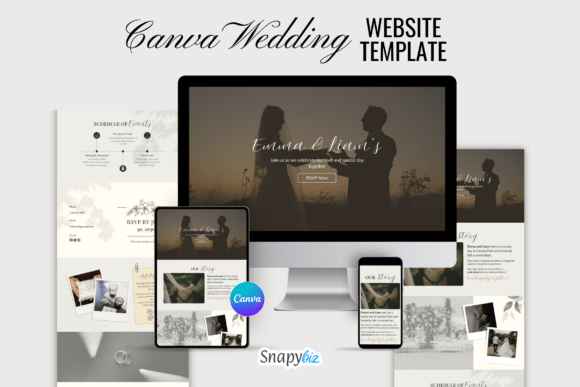
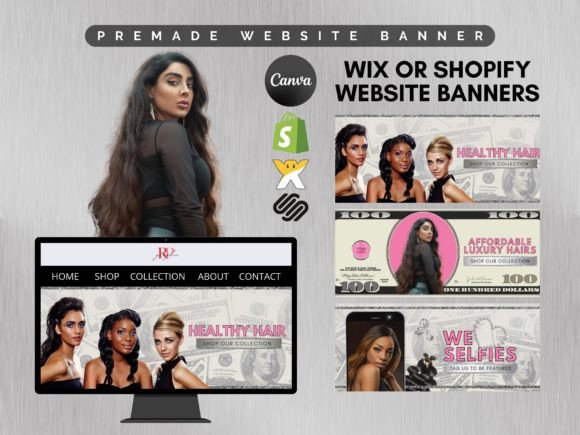
Business website template types
Pick one primary template type based on your business model. Once your core pages look consistent, add supporting pages (service detail, case studies, pricing, booking, contact) to build a simple lead system.
Local service business website
- Best for: home services, beauty, clinics, repairs, local providers.
- Use when: you need calls, bookings, WhatsApp messages, and quick trust.
- Key pages: Services, Areas served, Reviews, Pricing/Packages (optional), Contact.
Agency / studio website
- Best for: marketing agencies, design studios, dev teams, consultants.
- Use when: you sell projects and need case studies + proof.
- Key pages: Services, Case studies, Process, Testimonials, Contact/Brief form.
Consulting / coach website
- Best for: coaches, advisors, mentors, experts, creators with services.
- Use when: you want booked calls and a strong personal credibility story.
- Key pages: About, Offers, Results/Testimonials, Booking, FAQ, Contact.
B2B / SaaS / product-led business site
- Best for: software, tools, subscriptions, B2B services with a product angle.
- Use when: you need feature clarity + value + demo/signup CTA.
- Key pages: Features, Use cases, Pricing, Integrations (optional), Demo/Signup.
Landing-first business site (single goal)
- Best for: paid ads, Pinterest traffic, one-off campaigns, one main offer.
- Use when: you want one page to convert (call / booking / lead form).
- Key sections: Hook, benefits, proof, offer, FAQ, CTA, contact.
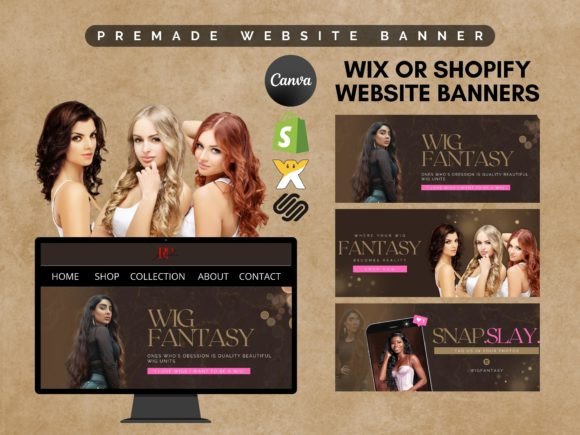
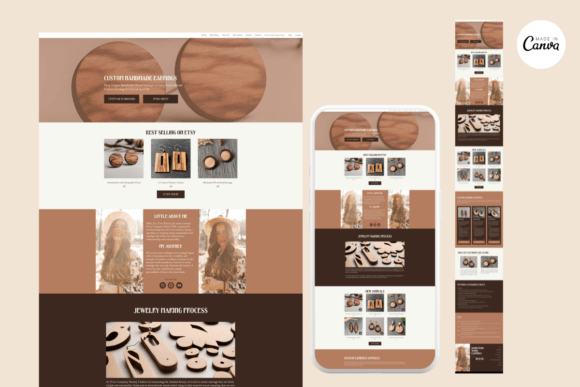
Must-have sections (the lead-ready structure)
If you want more calls and form submissions, build around clarity. Visitors should understand what you offer, who it’s for, and how to start within the first 10 seconds.
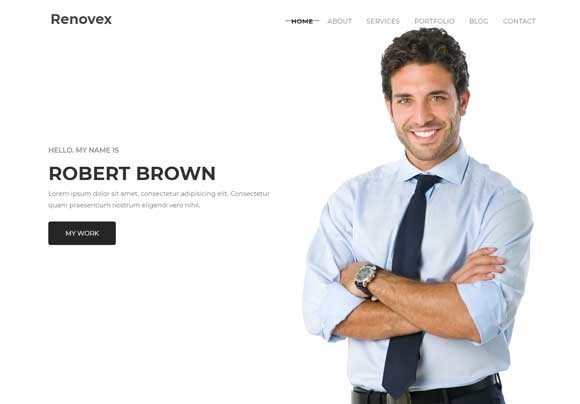
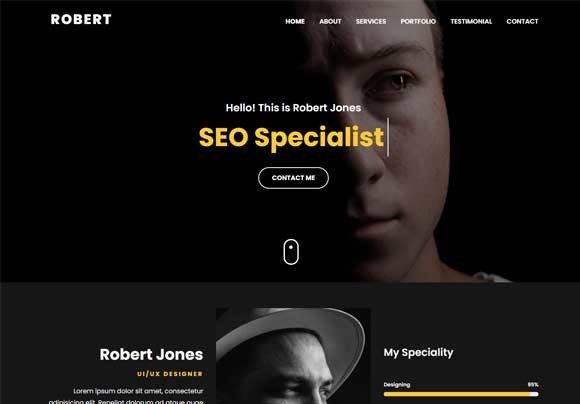
- Hero (above the fold): what you do + who you help + one primary CTA (Book / Get a quote / Contact).
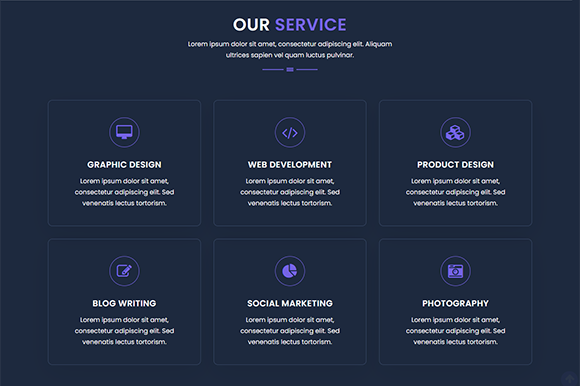
- Services (scannable): 3–6 offers with outcomes (what the client gets).
- Proof block: testimonials, reviews, logos, numbers (years, clients, projects).
- Process: simple 3-step “How it works” to reduce uncertainty.
- FAQ: remove objections (pricing, timeline, what’s included, guarantees).
- Contact CTA: short form + email/phone/WhatsApp + clear next step.
Copy blocks you can reuse (headline + bullets)
Templates convert faster when your copy is specific. Here are clean, “plug-and-play” blocks you can adapt to any industry.
Hero headline formulas
- [Service] for [Audience] in [Location] (example: “Home Cleaning for Busy Families in Austin”).
- Get [Outcome] without [Pain] (example: “Get More Leads without Complicated Marketing”).
- [Role] who helps [Audience] achieve [Outcome] (example: “Designer who helps startups launch premium brands”).
- [Offer] in [Timeframe] (example: “A new website in 7 days”).
Service bullets that sound premium
- What you get: clear deliverables (pages, assets, support) instead of vague promises.
- Who it’s for: name the ideal customer to attract better leads.
- What makes you different: speed, quality, guarantee, niche expertise, local presence.
- Next step: one action (Book / Request quote / Message us).
Conversion frameworks (copy-paste outline)
Pick one framework and repeat it across your pages. Consistency makes your site feel designed, trustworthy, and easy to navigate.
- Hook → Services → Proof → Process → CTA (best for local services and small businesses)
- Problem → Solution → Results → Packages → CTA (best for consultants and agencies)
- Offer → Benefits → FAQ → Proof → CTA (best for landing-first pages and ads)
- Features → Use cases → Pricing → Proof → Demo CTA (best for SaaS and B2B)
Readability checklist (business-friendly)
- Headline is specific: say what you do + who it’s for (avoid generic “Welcome”).
- Services are scannable: short bullets, clear outcomes, no long paragraphs.
- Proof is visible: reviews, client logos, numbers, certifications.
- One primary CTA: don’t compete with too many buttons.
- Mobile-first spacing: generous whitespace feels premium and readable.
- Fast contact: short form + email/phone/WhatsApp (if relevant).
Recommended picks
Start with one scalable “system”. Open the library, filter by style (modern, minimal, bold), then customize your hero headline and CTA first. Consistency matters more than perfect design.
Local Service Business Sites
Clean layouts for local companies with service blocks, reviews, areas served, and fast contact CTAs.
View options →Agency & Studio Websites
Multi-page systems built for services, case studies, process sections, and lead forms.
View options →Consulting & Coach Pages
Trust-first layouts with about + offers + testimonials + booking CTAs.
View options →Landing-First Business Templates
Offer-focused pages for ads: hook, benefits, proof, FAQ, and one clear CTA.
View options →
FAQ
What pages should a business website include?
At minimum, your site should answer: what you do, who it’s for, why trust you, and how to start. Keep it simple and add pages only when they support conversions.
- Home: clear offer + services + proof + CTA.
- Services: outcomes, pricing/starting point, what’s included.
- About: credibility + positioning (short and scannable).
- Contact: short form + email/phone + next-step clarity.
- FAQ (recommended): removes objections and increases inquiries.
Should I use a one-page or multi-page business template?
If you have one main offer and you run ads, a one-page site can convert extremely well. If you have multiple services, locations, or a team, multi-page templates usually perform better for clarity and SEO.
- Choose one-page for one offer + one CTA (book/call/form).
- Choose multi-page for multiple services, case studies, and SEO growth.
- Hybrid option: homepage + separate service pages (best balance).
What should I customize first to improve conversions?
Start with the parts that change clarity the most. You don’t need a redesign – just tighten the message and guide visitors to one action.
- Hero headline: what you do + who it’s for + outcome (be specific).
- Primary CTA: choose one: “Get a quote”, “Book a call”, “Contact”.
- Services list: 3–6 offers with outcomes and short bullets.
- Proof block: reviews, logos, numbers, credentials.
- Contact form: keep it short (name + email + one question).
Do business templates work for SEO, or only design?
They help both. Clean templates make it easier to publish structured pages (services, areas, case studies) and keep internal linking simple. SEO improves when your pages are clear, fast, and consistently updated.
How many services should I show on the homepage?
Usually 3–6 services is the sweet spot. It’s enough to show range without overwhelming visitors. If you have more, show a “core services” set and link to a full services page.
What makes a business website feel “premium” instantly?
Premium sites feel calm and intentional. It’s rarely about fancy effects – more about spacing, hierarchy, and consistent typography.
- Whitespace: generous spacing between sections.
- Big headings: clear hierarchy that reads well on mobile.
- Short blocks: bullets instead of dense paragraphs.
- Consistent buttons: one style, one main CTA.
- Real proof: testimonials with names/roles (if possible).
Related template hubs
Website Templates (Main Hub)
Browse all website template categories and styles in one place.
Explore →Small Business Website Templates
Clean service layouts for local companies and solo owners.
Explore →Best use cases for business website templates
- Local service sites that generate inbound calls, forms, and WhatsApp messages
- Agency websites with services, case studies, process sections, and lead capture forms
- Consultant and coach sites that convert with trust, offers, testimonials, and booking CTAs
- Landing-first pages for ads and Pinterest traffic with one clear offer and CTA
- B2B and SaaS-style business sites with features, use cases, pricing, and demo CTAs
- Multi-location businesses using “areas served” pages for local SEO growth
Next step
Pick one template system, define a mini brand kit (fonts + 2–3 colors), and publish consistently. Start with the homepage + services + contact. Then add proof (reviews, results) and a clear process. When your site is easy to scan and easy to trust, inquiries go up.