Kids Activity Book Interiors for KDP: Games, Puzzles & Worksheets
Kids activity book interior templates help you publish faster with a repeatable structure:
intro → activity pages → answer key (optional) → reward/certificate (optional). Use this page to choose the right KDP kids activity book interior style (tracing, mazes, word search, I Spy, math practice), keep it print-ready, and avoid common formatting mistakes.
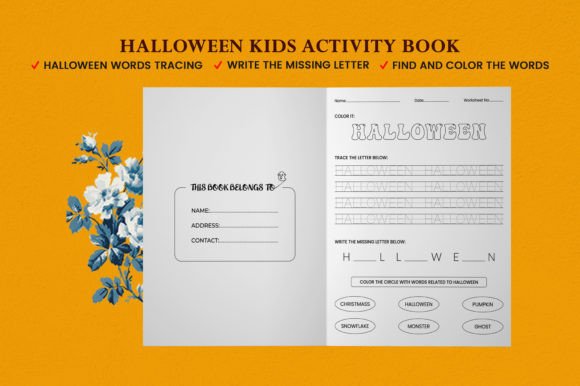
Why kids activity book interiors work on KDP
Kids activity books convert because the value is obvious: fun + learning + quiet time. A strong interior template keeps page difficulty consistent, avoids clutter, and makes activities easy to understand at a glance. Clean layouts also look better in Amazon previews and print more reliably.
- Evergreen: undated activity books can sell year-round.
- Instant clarity: one instruction line + one activity per page works best.
- Print-friendly: simple black-and-white pages reduce production issues.
- Better reviews: consistent difficulty and clear answers reduce frustration.
Kids activity book interior template types
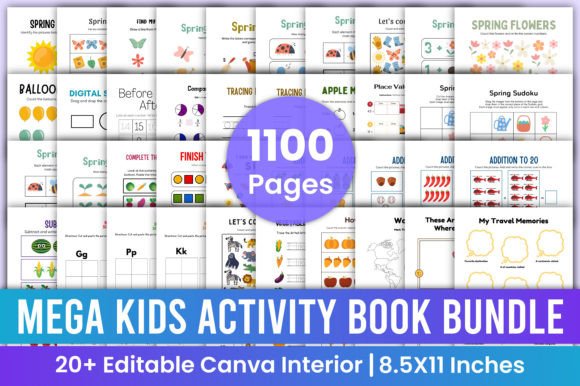
Choose a template based on age range and skill focus. For most books, pick one primary activity theme and add a small variety (warm-ups, bonus pages) so the interior feels complete without becoming random.
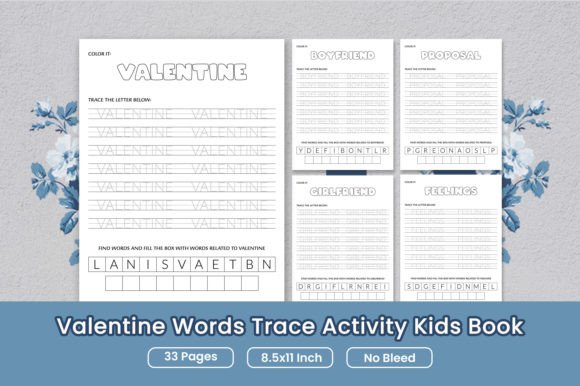
Tracing & handwriting practice
- Best for: preschool and early elementary.
- Typical pages: lines, letters, numbers, simple words + space to write.
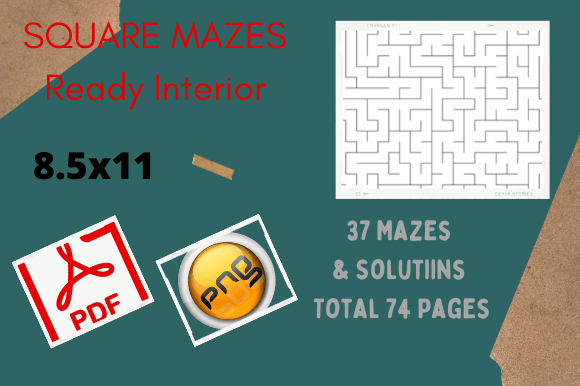
Mazes & logic puzzles
- Best for: ages 5–10, “screen-free fun” books.
- Typical pages: maze + small theme illustration + “start/finish” labels.
Word search & spelling games
- Best for: ages 7–12, classroom-style practice.
- Typical pages: word list + grid + answer key section (optional).
I Spy & counting activities
- Best for: preschool to early elementary.
- Typical pages: “Find and count” checklist + answer box.
Math practice (addition/subtraction)
- Best for: grades 1–4 (simple skill builders).
- Typical pages: short sets + mixed review + progress tracker.
A proven kids activity book interior structure
This structure keeps your book easy to use and easy to produce, while making it feel “complete.”
- Front matter: title page → copyright → how to use.
- Difficulty guidance: age range + “start here” note (short).
- Warm-up pages: 3–5 easy activities to build confidence.
- Main activity section: repeatable page style (the core).
- Bonus pages: a small variety block (optional).
- Answer key: for puzzles/word search/math (optional but valuable).
- Reward / certificate: one completion page (optional).
- Notes: optional (usually not needed for kids books).
Must-have pages for KDP kids activity books
- How to use page: explains the rules in 30 seconds.
- Clear instructions: one sentence per page, consistent placement.
- One activity per page: avoid “two tasks on one page” clutter.
- Consistent margins: keep content away from the binding.
- Answer key (if needed): reduces parent frustration and returns.
Activity ideas that fit most interiors
If you want variety, keep it themed. Mix 3–5 activity types, but keep the same visual style and instruction format.
- Fine motor: tracing, dot-to-dot, simple cut-and-paste style pages.
- Logic: mazes, matching, spot-the-difference, simple puzzles.
- Language: word search, missing letters, vocabulary themes.
- Math: addition/subtraction drills, number bonds, counting.
- Focus: “find and circle,” visual scanning, patterns.
Print-ready layout rules (simple)
- Choose trim size first: 8.5″×11″ is common for activity books; 6″×9″ is compact.
- Keep ink light: avoid heavy backgrounds for kid-friendly printing.
- Safe margins: extra inner gutter so activities don’t get lost in binding.
- Readable lines: not too thin, not too dense (especially for tracing).
KDP checklist (quick wins)
- Age range is clear: design difficulty for one range, not everyone.
- One page style: repeat the same layout grid across the interior.
- Test usability: can a child understand the page in 5 seconds?
- Answer key decision: include it for puzzles/word search/math.
- Clean PDF export: sharp lines, embedded fonts, aligned elements.
Recommended picks
Start with one primary activity theme (like tracing or mazes), then add a small variety block and an answer key. That combo feels premium without making production hard.
Kids Activity Book Interiors
Mix-and-match activity pages with clean layouts and clear instructions.
View options →Tracing & Handwriting Pages
Letter/number tracing, line practice, and early writing pages.
View options →Word Search & Learning Games
Word search pages and simple learning worksheets with themes.
View options →FAQ
Should a kids activity book include an answer key?
If the interior includes puzzles, word search, or math, an answer key helps parents and reduces frustration. For tracing or simple mazes, you can skip it.
What trim size is best for kids activity books?
8.5″×11″ is popular because activities have more space and feel easier. 6″×9″ can work for compact puzzle books, but page layouts must stay uncluttered.
Related KDP interior hubs
KDP Interiors Templates (Main Hub)
Browse interior template categories for journals, planners, trackers, and more.
Explore →Gratitude Journal Interior Templates
Prompt-based journal pages with a repeatable daily structure.
Explore →Budget Planner Templates
Monthly budgets, expense trackers, and savings & debt pages for KDP.
Explore →Logbook Interior Templates
Entry-table interiors for mileage, maintenance, inventory, and records.
Explore →Next step
Pick one age range and one main activity theme. Next, design one perfect page layout and repeat it consistently. Then add a small variety block and (if needed) an answer key. That structure looks premium and stays fast to publish on KDP.