Find & download: ready-to-press sublimation designs for tumblers, t-shirts, mugs, coasters, and more. Curated PNG templates in 300 DPI – perfect for crafters, Etsy sellers, and print-on-demand businesses looking for vibrant, full-bleed sublimation transfers.
Best Sublimation Design Categories
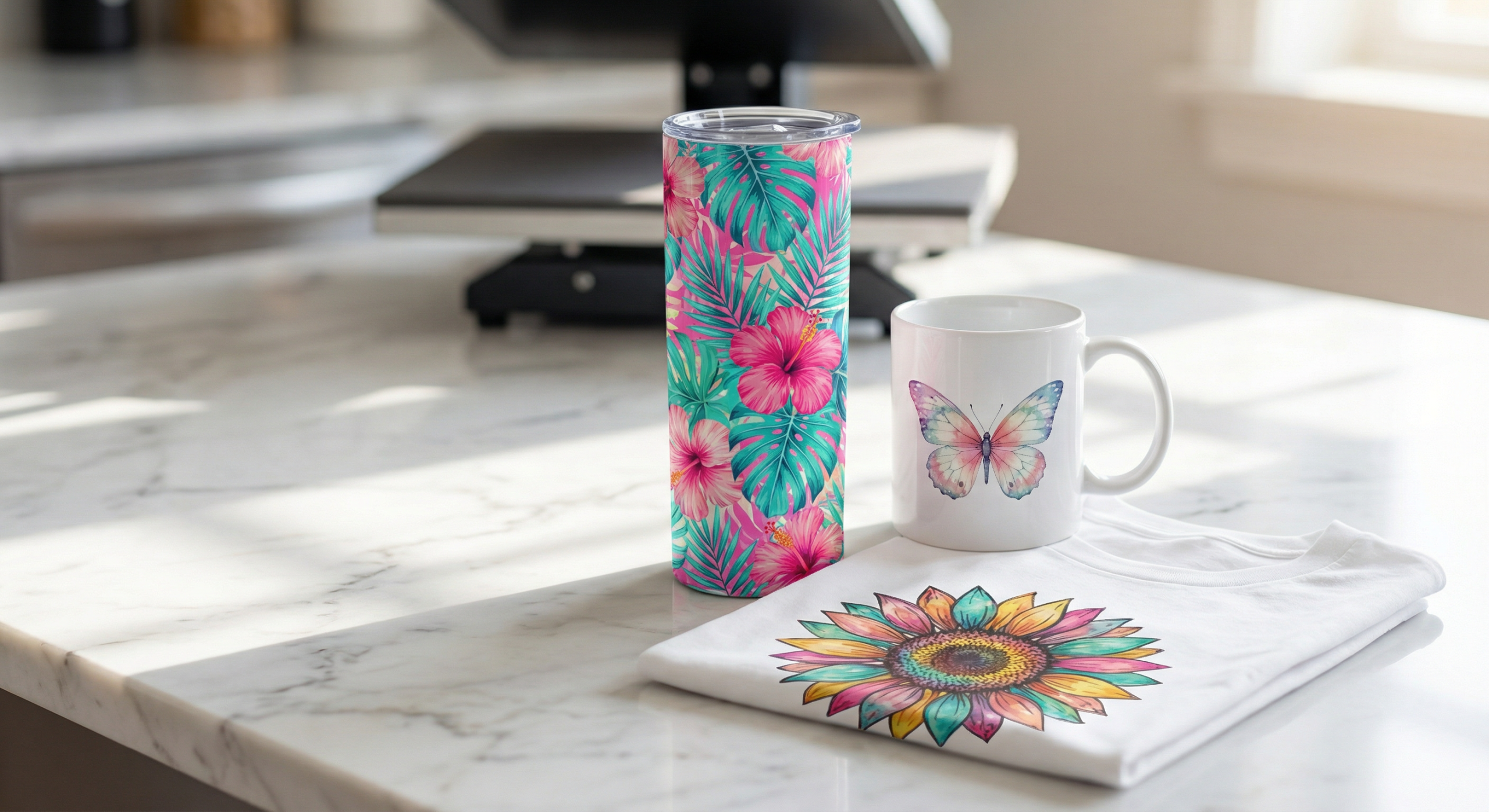
Whether you’re crafting for yourself, running a small business, or building a print-on-demand shop, choosing the right sublimation template saves hours of design time. Below are the most popular product categories with ready-to-press files.
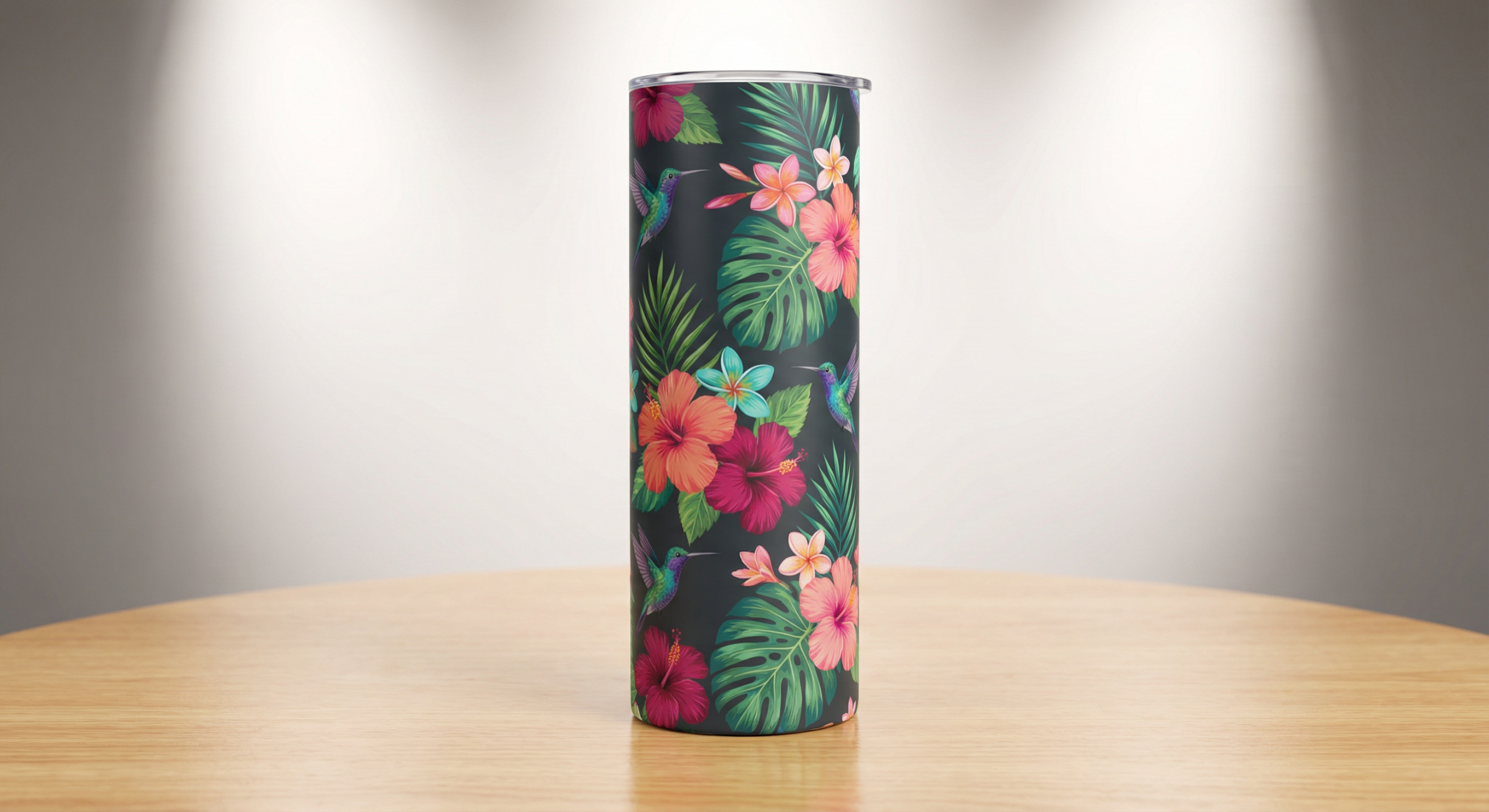
Tumbler Wraps (20 oz Skinny)
The 20 oz skinny tumbler is the bestselling sublimation blank for a reason – it’s giftable, portable, and the seamless wrap design looks stunning. Look for templates sized 9.3 × 8.2 in at 300 DPI for a perfect edge-to-edge fit.
T-Shirt & Apparel Designs
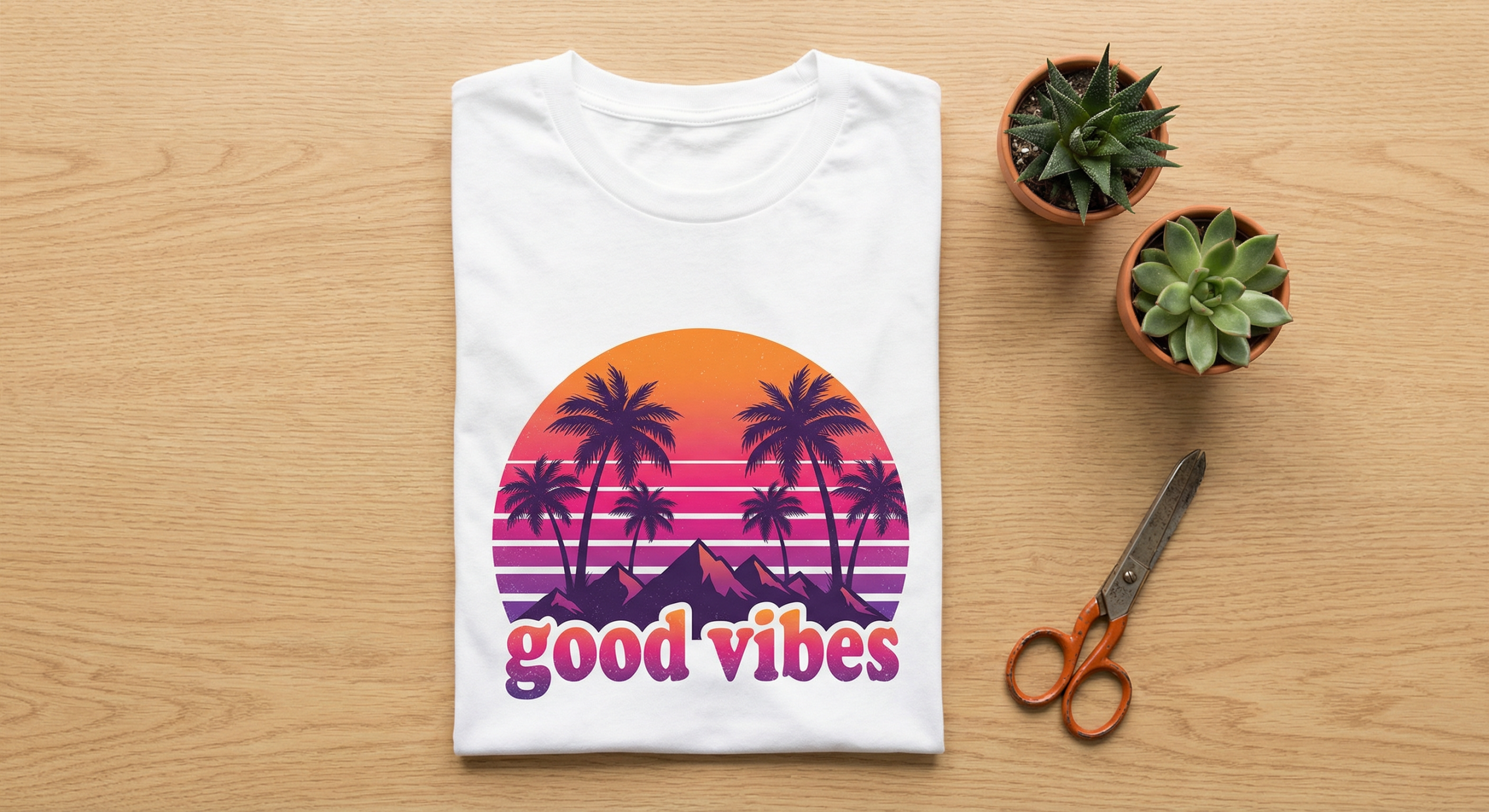
Sublimation on polyester tees delivers vibrant, wash-proof prints that won’t crack or peel. Use full-front designs (12 × 16 in, 300 DPI) for the boldest impact, or pocket-area prints for a minimal aesthetic. Retro sunsets, boho florals, and funny quote layouts are trending now.
Mug Wraps (11 oz / 15 oz)
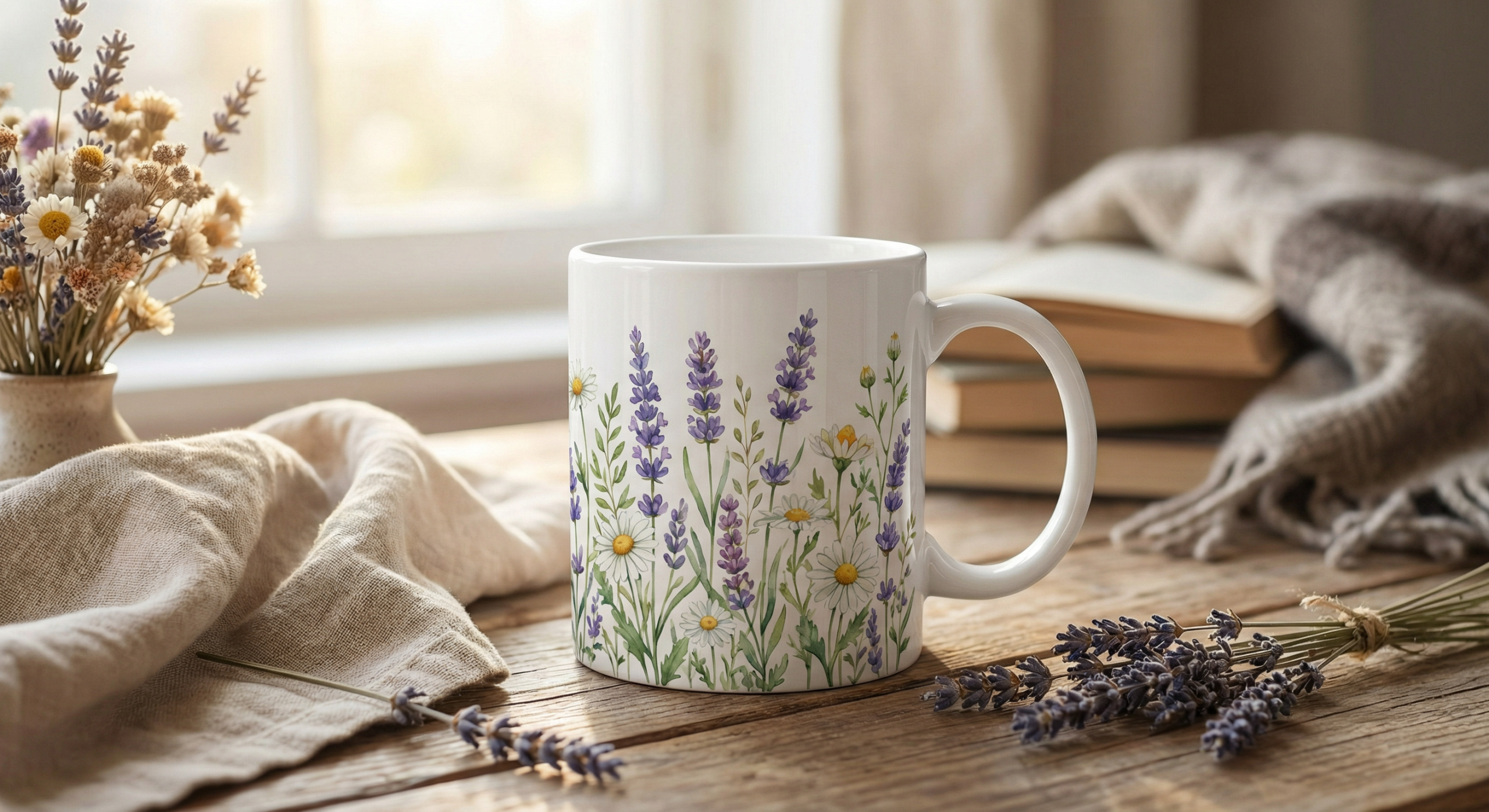
A full-wrap mug sublimation file turns a plain white mug into a personalized gift or a bestselling product. Standard sizing is 9.25 × 3.75 in (11 oz) or 9.25 × 4.5 in (15 oz) at 300 DPI. Watercolor florals, monograms, and seasonal motifs sell year-round.
Sublimation Bundles
Buying a bundle is the fastest way to stock your shop. Most bundles include 20–100+ coordinated designs across tumblers, mugs, and apparel – often with matching elements so your product line looks cohesive. Commercial licenses are typically included.
What Makes a Good Sublimation File
Not every PNG is sublimation-ready. Before you press, check these essentials:
| Spec | What to Look For |
|---|---|
| Resolution | 300 DPI minimum. Lower DPI prints fuzzy on tumblers and mugs. |
| Format | PNG with transparent background. JPEG adds a white box around your art. |
| Color Mode | RGB (not CMYK). Sublimation inks are RGB-based; CMYK files shift colors. |
| Dimensions | Match the blank exactly – tumbler wraps, mug wraps, and shirt prints all differ. |
| Bleed | 0.125 in bleed on each side prevents white edges after pressing. |
Pro tip: Always print a test on plain copy paper first, hold it against your blank, and trim to check alignment before wasting sublimation paper.
Recommended Sublimation Tools
Great designs need the right equipment. These are the tools we’ve reviewed and recommend for sublimation crafting:
- HTVRONT Auto Heat Press 15×15 – consistent pressure & even temperature for large blanks → Read Review
- Cricut Ceramic Coffee Mug for Sublimation – polymer-coated & dishwasher-safe → Read Review
- VEVOR 20 oz Sublimation Tumblers (8-Pack) – double-wall insulated, straight & skinny → Read Review
- A-SUB 125g Sublimation Paper 8.5×11″ – fast-dry, vivid color transfer → Read Review
Looking for more craft gear? Browse our full crafting tools collection →
FAQ
What file format do I need for sublimation printing?
PNG is the standard format for sublimation designs. Look for 300 DPI transparent-background PNG files for the sharpest results on tumblers, mugs, and apparel.
Do I need to mirror sublimation designs before printing?
Yes. Sublimation transfers must be printed in mirror (flipped horizontally) because the image reverses when pressed onto the substrate. Most printer drivers have a mirror option.
Can I use sublimation designs for commercial products?
It depends on the license. Many designs on Creative Fabrica include a commercial license for print-on-demand, Etsy shops, and craft fairs. Always verify the license before selling.
What substrates work with sublimation?
Sublimation works on polyester fabrics and polymer-coated hard surfaces: tumblers, mugs, coasters, phone cases, tiles, mouse pads, and more. It does not work well on cotton or uncoated metals.
What is the difference between sublimation and HTV?
Sublimation ink turns into gas and bonds with the substrate, producing smooth, permanent, full-color prints. HTV (heat transfer vinyl) is a cut material applied with heat. Sublimation offers photographic quality and better durability, but requires polyester or coated blanks.