Website Templates: Clean Designs for Every Platform & Website Type
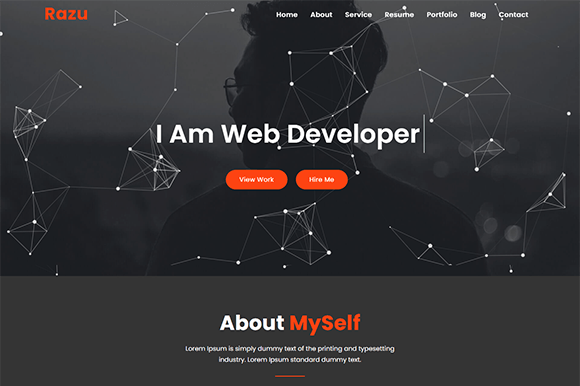
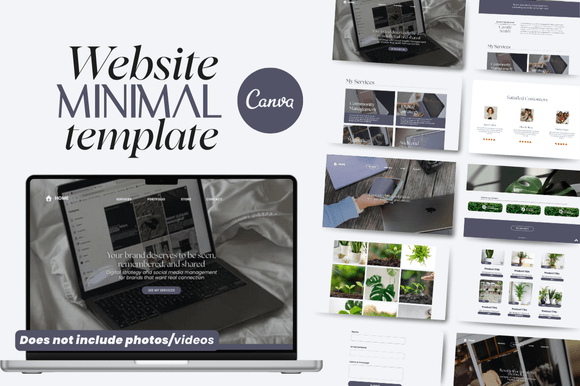
Website templates help you launch (or refresh) a site faster with a proven structure: hero → key sections → proof → FAQs → contact CTA. Use this hub to browse website template categories by use case (agency, restaurant, portfolio, ecommerce) and by platform (Shopify, Wix, Squarespace, Webflow, WordPress builders), so you can pick a clean layout and customize quickly – fonts, colors, spacing, and blocks – without starting from zero.
Why website templates work
Websites don’t win by looking “busy” – they win by making it obvious what you do, who it’s for, and what to do next. Templates solve the “what goes where” problem and give you a clean, conversion-ready structure you can customize fast.
- Faster launch: publish core pages in days, not weeks.
- More trust: clean spacing + proof blocks feel professional immediately.
- Higher conversion: clearer CTAs and section order reduce hesitation.
- Easy scaling: add pages without breaking the design system.
Website template categories (in the menu)
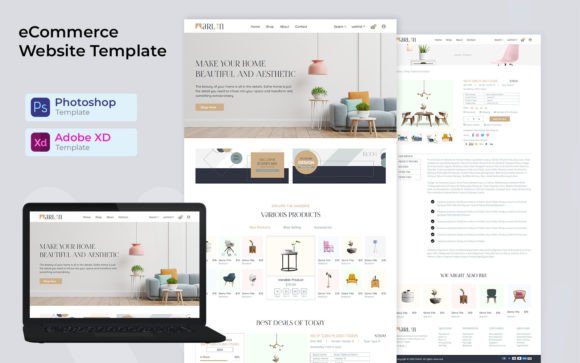
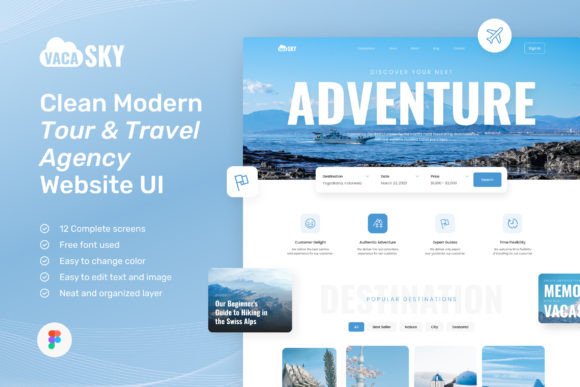
Browse website templates by use case – perfect for users who already know what type of site they want to build.
Small Business Website Templates
Clean service layouts for local companies and solo owners.
Explore →Platforms & builders (not in the menu)
Choose a platform first if you already build on Shopify/Wix/Squarespace/Webflow.
These pages are not in the header menu, but they’re important for SEO and for users who choose a platform first. Keep them linked here for a strong hub → spoke structure.
Quick checklist (choose the right template)
- Start with the goal: leads, bookings, sales, or portfolio?
- Pick one primary CTA: Book / Contact / Shop / Request quote.
- Use proof early: testimonials, reviews, numbers, logos.
- Keep sections scannable: short blocks and bullets beat walls of text.
- Mobile spacing: calm whitespace feels premium and converts better.
Recommended picks
Start with a clean style and customize the hero message and CTA first. Consistency matters more than perfect design.
Modern Website Templates
Clean layouts with strong typography and clear section hierarchy.
View options →FAQ
What pages should a website template include?
At minimum, your site should answer: what you do, who it’s for, why trust you, and how to start. A clean template usually includes a homepage, a services/work page, and a contact CTA.
Should I choose a platform first or a design first?
If you already use a platform (Shopify, Wix, Squarespace, WordPress), choose platform first. If you’re still deciding, pick a use-case category (portfolio, agency, ecommerce) and then match it to a platform.
Next step
Pick one category above, choose a clean style, and customize the hero headline + CTA first. Then add proof (reviews, results) and a simple process. When your site is easy to scan and easy to trust, conversions go up.